
Part 1
Practice safe sex !!!!!
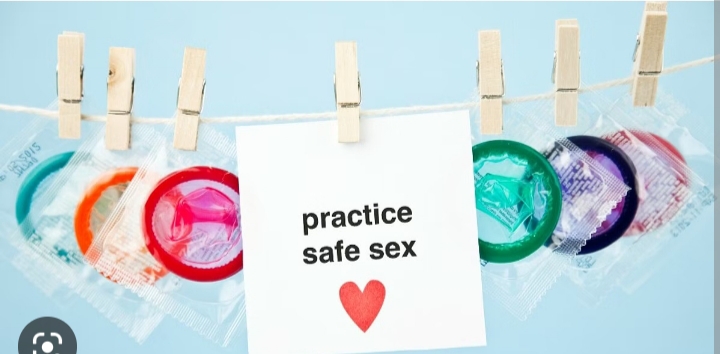
Safe sex is healthy sex !!!

Practice safe sex
As a woman, you shouldn’t be afraid to take control of your sexual health and safety. Being prepared, being ready, and being safe are healthy and wise. Preventing getting or spreading sexually transmitted infections (STIs), such as HIV, gonorrhea, or syphilis, helps both you and your partners stay disease-free. Plus, smart use of birth control can help you avoid an unplanned pregnancy.
Research your birth control options
Birth control options are expanding. Today, daily pills, monthly injections, vaginal rings, and intrauterine devices are all options for preventing pregnancy if you are sexually active.
Talk with your health care provider about your birth control options if you are or may become sexually active.
Know your status
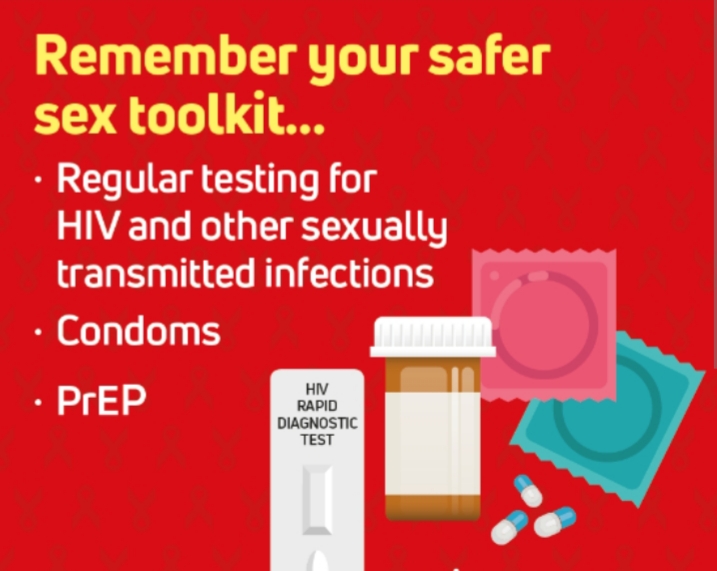
If you are sexually active or have been in the past, it’s important you are checked regularly for STIs.
Some diseases that are contracted through sexual encounters do not cause significant symptoms or signs until several weeks, months, or even years after you’ve contracted them.
By the time you find out you have the STI, you may have unknowingly shared it with someone. Likewise, a partner may unknowingly share an STI with you.
That’s why you should be tested often. It’s the only way you’ll know for sure if you—and your partner who is tested with you—are clean. Consult your doctor for an appointment to get tested 😊
Use protection every time
It might seem like unreal advice, but the best way to prevent pregnancy and lower your risk for getting an STI is to use barrier protection correctly every time you have a sexual encounter.
Male condoms are the most common form of protection. If your partner does not want to use a male condom, you can use a female condom.

This is very important if you cant confirm your partner STIs status and remember the health of your partner can drastically affect yours if you have unprotected sex😊
Communication is key
Always learn to communicate it will help you more to understand people.
Be honest about your sexual past, your preferences, and your decision to practice safe sex. This way, you and your partner can communicate openly.
If you feel like your partner is not honest with you, try to seek for his STIs result to confirm if not please use condom .
It’s important that the two of you share your sexual histories so that you can find out about potential STIs or diseases.

Some STIs are not curable; you will want to use protection to prevent receiving any incurable STIs from a partner. Also, discussing your past opens up the path to talk about testing for STIs together but dont have sex without knowing each other status.

 Iye Blog
Leave a comment